Most drivers shop for car insurance based on age, vehicle type, or driving history. Yet one factor often gets overlooked: when you drive.
Best Car Insurance for Night Shift Workers in USA
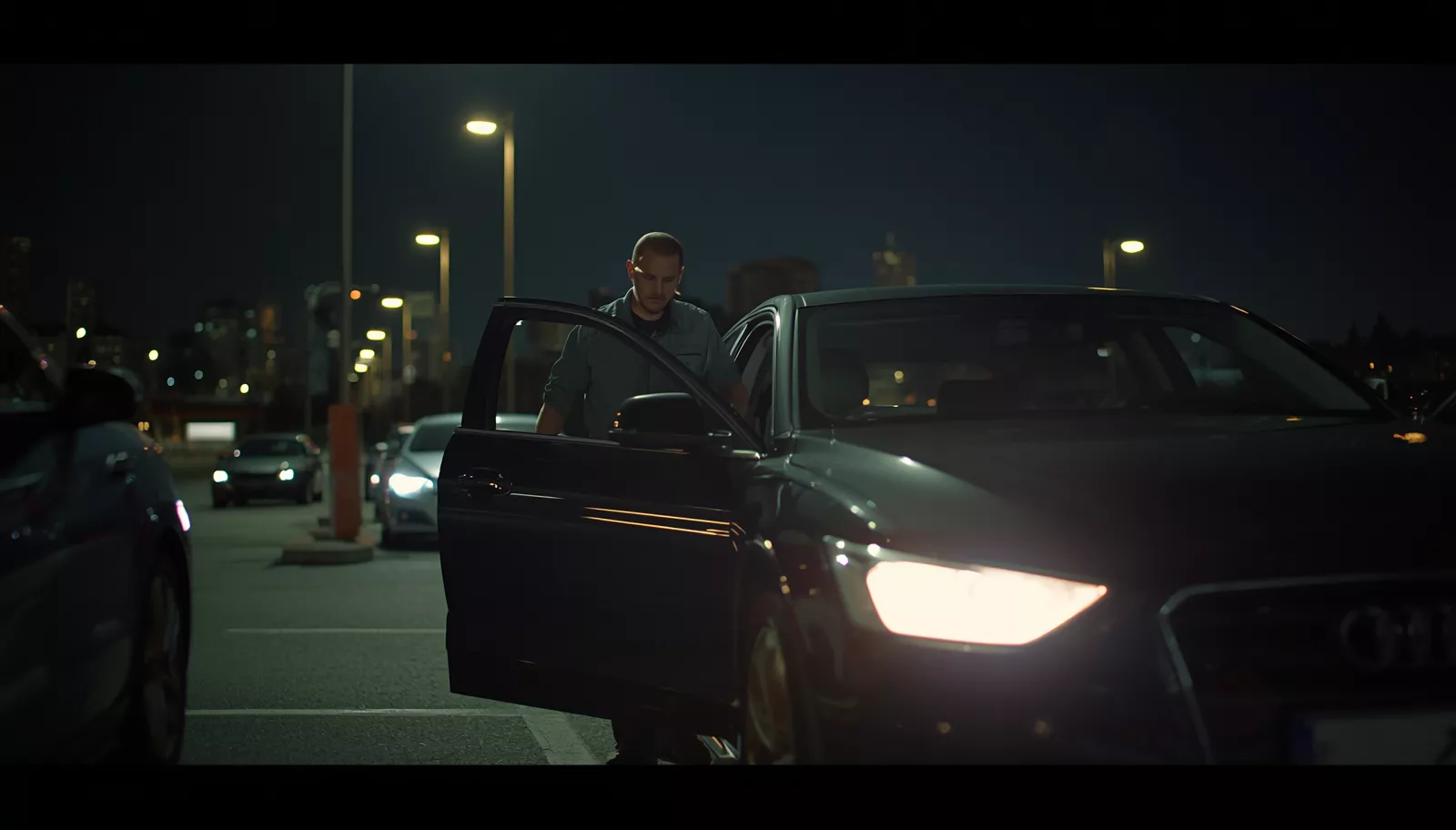
If you work nights, your daily routine is very different from the average commuter. Whether you’re a nurse finishing a 12-hour hospital shift at 7 a.m., a warehouse employee leaving work before sunrise, a security professional patrolling overnight, or a rideshare driver earning income after dark, your driving patterns can influence risk exposure and insurance costs.
Many night shift workers assume insurers automatically charge higher premiums because they drive during nighttime hours. The reality is more nuanced.
Some insurers focus primarily on mileage, claims history, location, and vehicle type. Others may view regular nighttime driving as a higher-risk behavior due to reduced visibility, driver fatigue, and increased accident frequency during overnight hours.
This guide explains everything night shift workers need to know about finding affordable coverage, maximizing discounts, reducing premiums, and choosing the best car insurance policy in the United States.
What Is the Best Car Insurance for Night Shift Workers?
The best car insurance for night shift workers is typically the insurer that offers affordable rates, strong customer service, low-mileage discounts, usage-based insurance programs, accident forgiveness, and flexible coverage options. Night shift employees should compare multiple providers and look for insurers that reward safe driving habits rather than penalize nighttime work schedules.
Key factors to compare:
- Monthly premium costs
- Low-mileage discounts
- Telematics programs
- Accident forgiveness
- Claims satisfaction ratings
- Roadside assistance
- Comprehensive and collision coverage
- Rideshare coverage if applicable
Why Night Shift Workers Face Unique Driving Risks
Night shift workers experience road conditions that most daytime commuters rarely encounter.
These challenges include:
Reduced Visibility
Driving in darkness naturally limits visibility. Road hazards, pedestrians, wildlife, and sudden obstacles become harder to identify and avoid.
Driver Fatigue
Fatigue is one of the biggest risks associated with overnight work schedules. Even experienced drivers can experience slower reaction times after a long shift.
Increased Impaired Driving Exposure
Late-night and early-morning hours often see a higher percentage of impaired drivers on the road.
Weather and Road Conditions
Nighttime temperatures can create hazardous driving conditions, including fog, black ice, and reduced visibility during storms.
Because insurers evaluate risk through data, these factors may indirectly influence premiums in some situations.
Which Jobs Commonly Require Night Shift Driving?
Many professions involve regular overnight travel.
Examples include:
- Registered nurses
- Emergency room staff
- Physicians
- Security guards
- Police officers
- Firefighters
- EMTs
- Truck drivers
- Warehouse employees
- Manufacturing workers
- Airport staff
- Hotel workers
- Overnight retail employees
- Rideshare drivers
- Delivery drivers
Each occupation creates unique insurance considerations.
How Car Insurance Companies Calculate Rates
Understanding pricing factors helps night shift workers secure lower premiums.
Insurance companies typically evaluate:
Driving Record
Your accident history and traffic violations remain among the strongest rating factors.
Annual Mileage
Higher mileage usually means greater exposure to accidents.
ZIP Code
Urban areas generally have higher premiums than rural locations.
Vehicle Type
Luxury vehicles and high-performance cars often cost more to insure.
Credit-Based Insurance Score
In many states, insurers use credit-based factors when calculating premiums.
Claims History
Frequent Insurance claims can increase future insurance costs.
Best Types of Coverage for Night Shift Workers
Liability Coverage
Required in most states.
This coverage pays for injuries and property damage you cause to others.
Collision Coverage
Pays for repairs to your vehicle following an accident.
Especially important for workers who commute during low-visibility hours.
Comprehensive Coverage
Protects against:
- Theft
- Vandalism
- Fire
- Flooding
- Animal collisions
Uninsured and Underinsured Motorist Coverage
Night shift workers may encounter drivers who carry insufficient insurance coverage.
This protection can prevent significant out-of-pocket expenses.
Roadside Assistance
Valuable for overnight workers traveling when fewer services are available.
Best Features Night Shift Workers Should Look For
Rather than focusing solely on company names, prioritize these features:
Usage-Based Insurance
Telematics programs track driving behavior.
Safe drivers can often earn discounts based on:
- Smooth braking
- Consistent speeds
- Reduced mileage
- Responsible driving habits
Low-Mileage Discounts
Many overnight workers commute during off-peak hours and drive fewer total miles.
Lower mileage often translates into savings.
Accident Forgiveness
Protects against rate increases following a first at-fault accident.
Mobile Claims Management
Fast claims handling becomes especially important for workers with demanding schedules.
How Night Shift Workers Can Lower Car Insurance Costs
Compare Quotes Every Year
Many drivers overpay simply because they never shop around.
Comparing multiple quotes can reveal significant savings opportunities.
Increase Your Deductible
A higher deductible generally reduces monthly premiums.
Bundle Insurance Policies
Combining auto and home insurance often unlocks discounts.
Maintain Excellent Credit
Where permitted by state law, stronger credit profiles may lead to lower rates.
Drive Less
Low-mileage programs can benefit overnight employees with short commutes.
Complete Defensive Driving Courses
Many insurers offer discounts for approved driving education programs.
Car Insurance for Nurses Working Night Shifts
Healthcare professionals often spend long hours commuting before sunrise.
Key priorities include:
- Reliable roadside assistance
- Comprehensive coverage
- Flexible claims processing
- Low-mileage discounts
- Multi-policy discounts
Nurses frequently benefit from professional association discounts when available.
Car Insurance for Security Guards and Overnight Workers
Security personnel often travel during higher-risk nighttime periods.
Recommended coverage:
- Comprehensive coverage
- Collision coverage
- Uninsured motorist protection
- Rental reimbursement
These coverages help reduce financial disruption after an accident.
Car Insurance for Truck Drivers Working Night Routes
Commercial and personal auto insurance requirements differ significantly.
Truck drivers should verify:
- Commercial policy requirements
- Employer coverage limitations
- Personal vehicle exclusions
- Off-duty driving protections
Common Mistakes Night Shift Workers Make
Choosing Minimum Coverage Only
Minimum coverage may leave significant financial gaps after a serious accident.
Ignoring Mileage Discounts
Many workers qualify for savings they never request.
Failing to Update Employment Information
Changes in occupation, mileage, or commute distance can affect rates.
Never Reviewing Policies
Insurance needs change over time.
Annual reviews help maintain appropriate coverage.
Final Thoughts
Night shift workers face unique challenges that standard insurance advice often overlooks. Reduced visibility, fatigue risks, and overnight driving patterns can influence both safety and insurance decisions.
The good news is that affordable coverage remains available.
The smartest strategy is to compare multiple insurers, prioritize comprehensive protection, leverage available discounts, and review your policy annually.
By focusing on value rather than simply choosing the cheapest quote, night shift workers can secure reliable protection while keeping insurance costs under control.
Whether you’re a nurse, warehouse employee, security guard, truck driver, healthcare professional, or overnight service worker, the right policy provides more than financial protection—it delivers peace of mind during every late-night commute.

Marvin Lambert
Marvin LambertMarvin Lambert is a finance professional and financial advisor specializing in lending solutions, Car Insurance, personal finance, and consumer credit education. Through his writing, he helps readers understand practical money management strategies, borrowing decisions, and financial planning concepts in simple, actionable terms.